FORGING
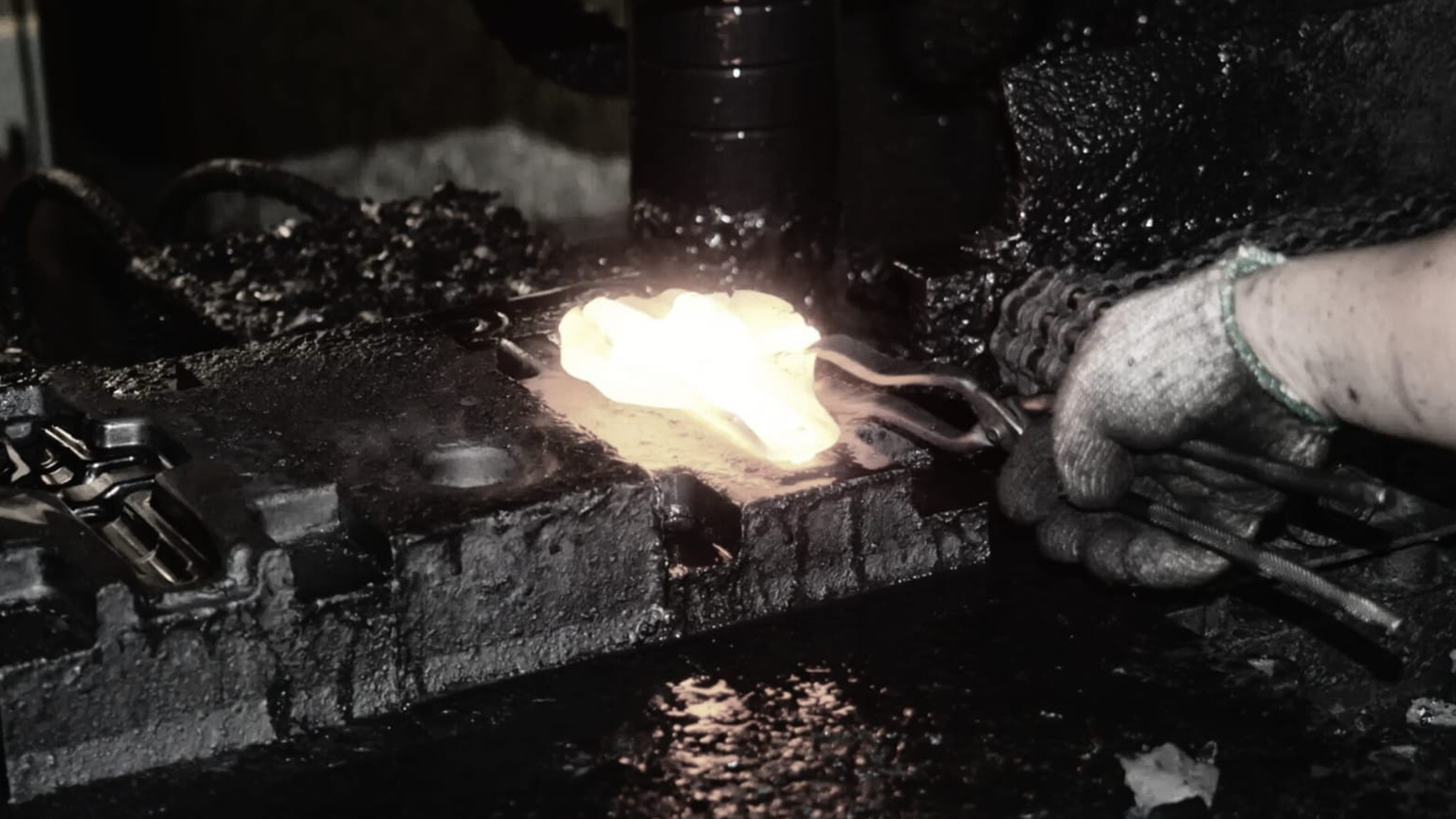
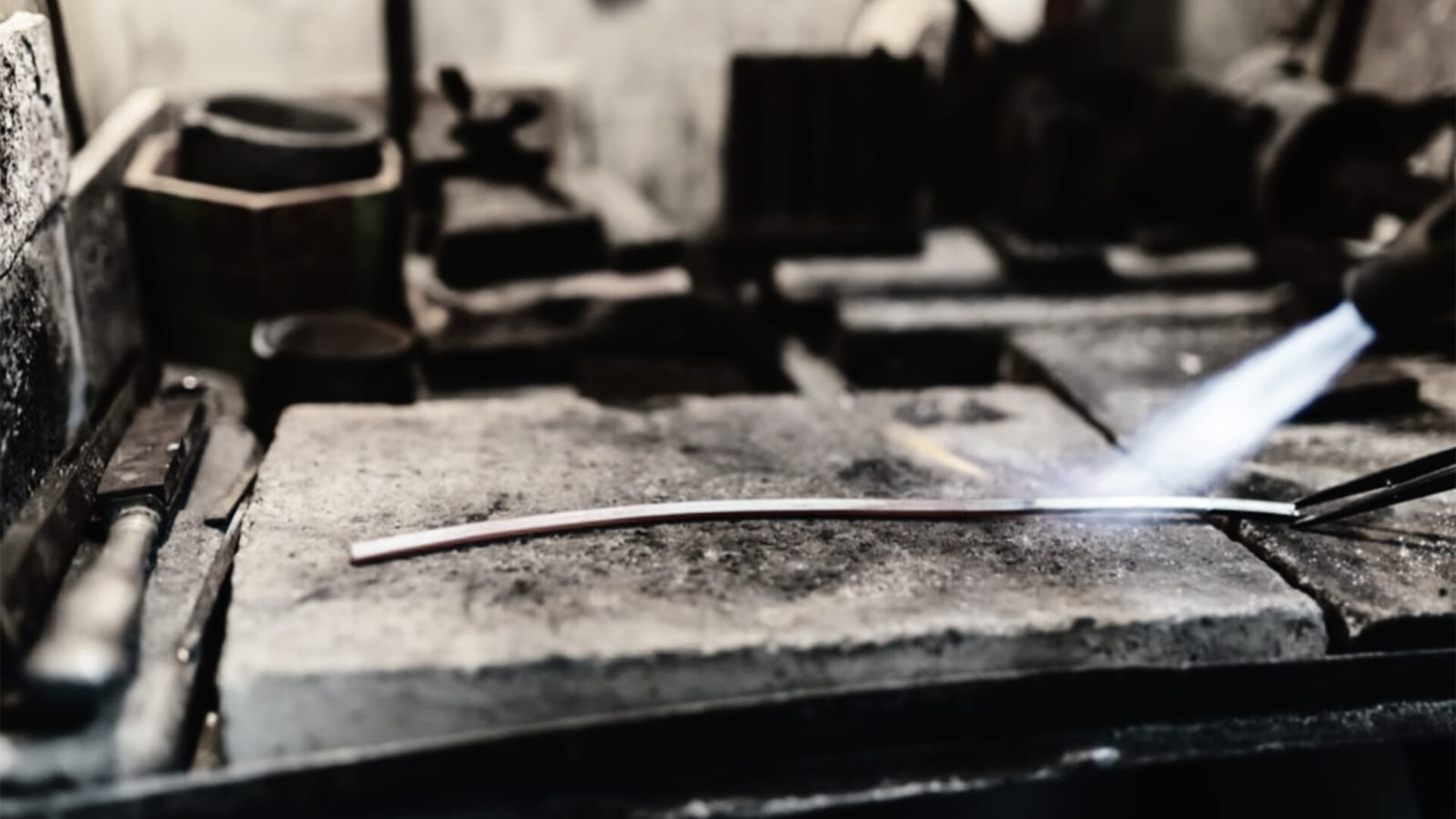
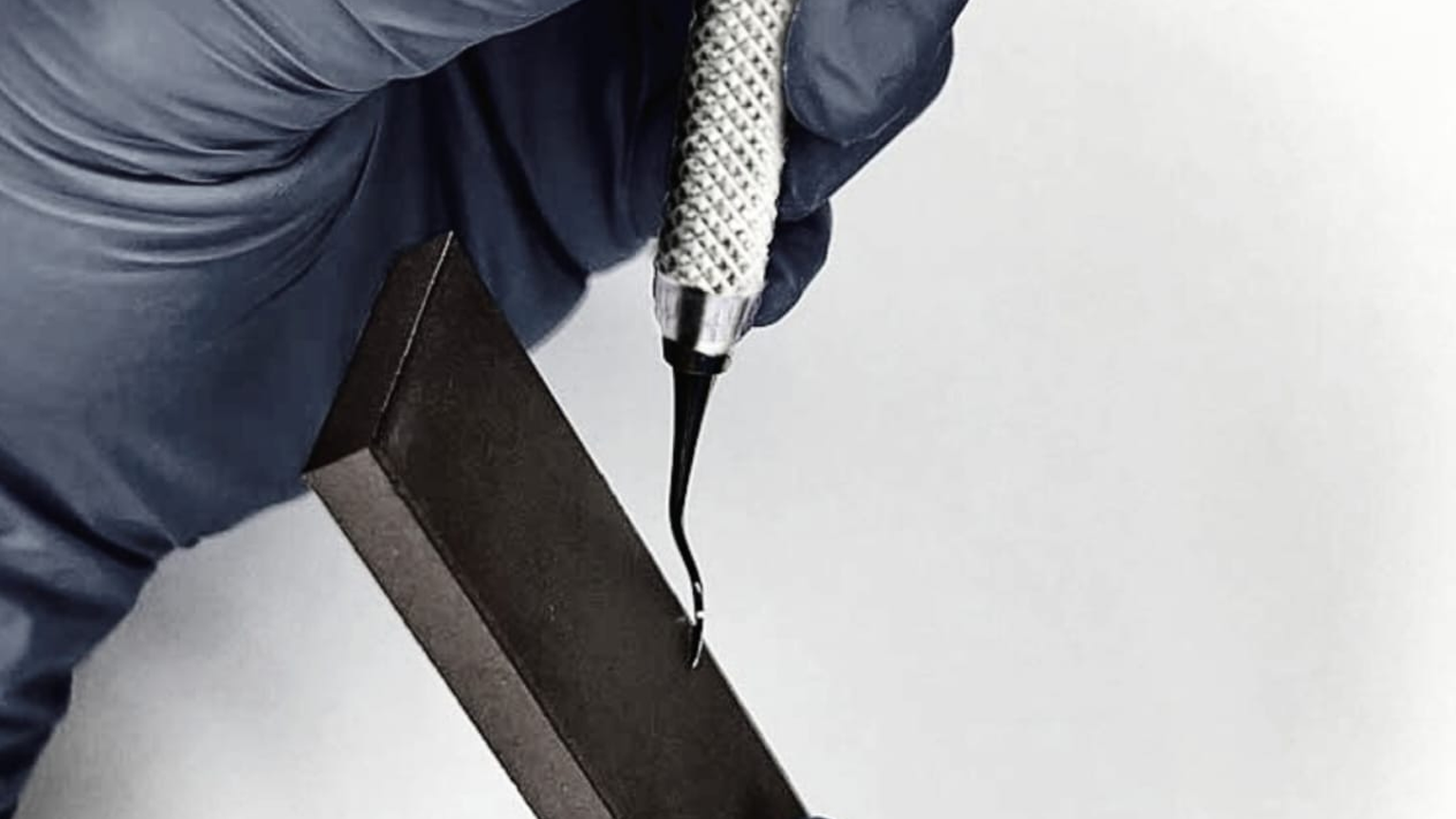
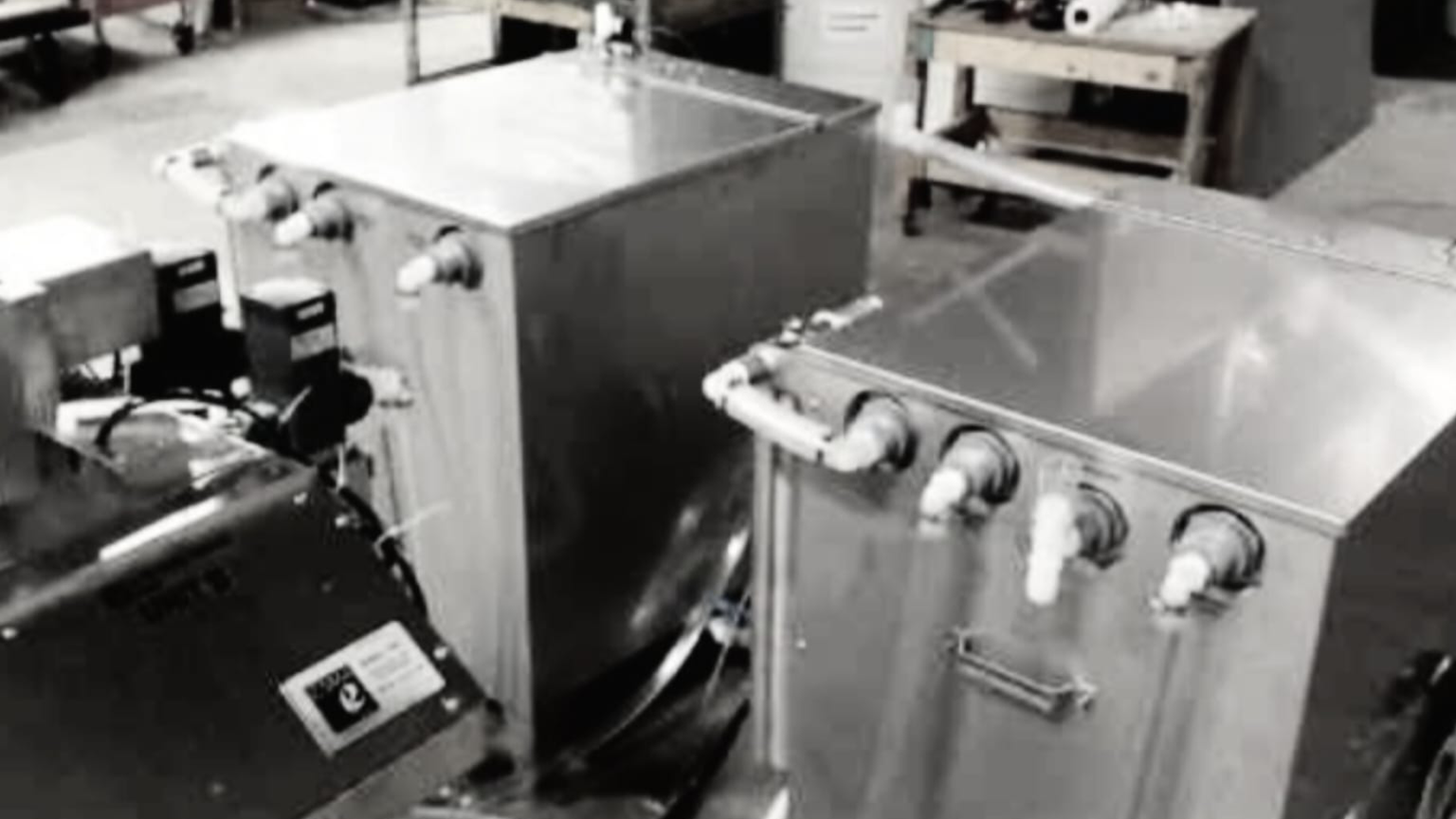
The instruments are manufactured using drop forging hammers with precision-engineered D-2 steel dies for exceptional strength and durability. After forging, they undergo ring and overall trimming to remove excess material, followed by acid cleaning or pickling to achieve a clean, smooth finish. This process ensures high-quality and reliable products.
Annealing Process
Forged instruments are visually inspected for accuracy before undergoing annealing in advanced vacuum furnaces to prevent corrosion. This process involves controlled heating to a specific temperature, followed by gradual cooling, softening the stainless steel for easy machining and precise shaping in later stages.
Milling Process
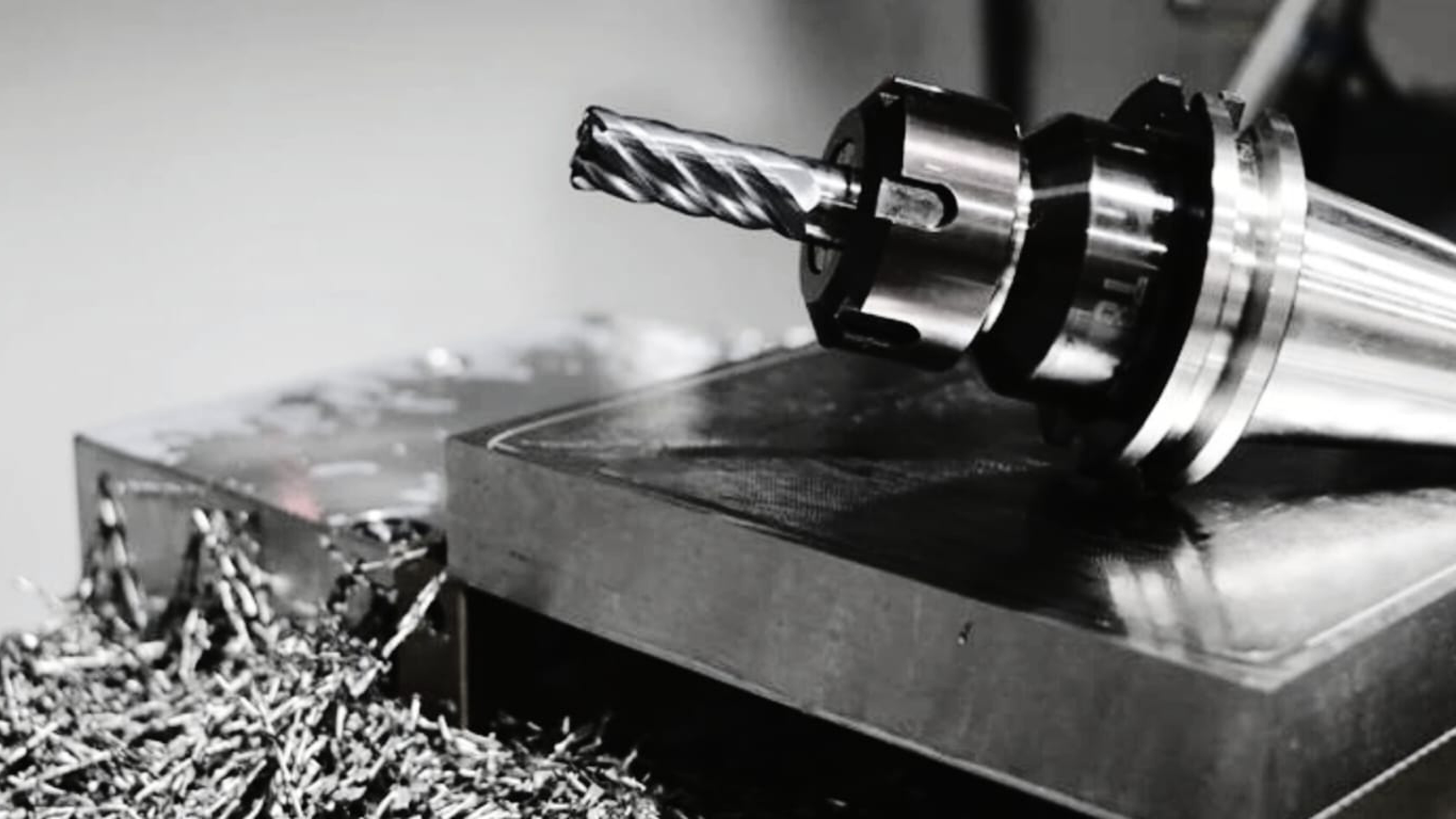
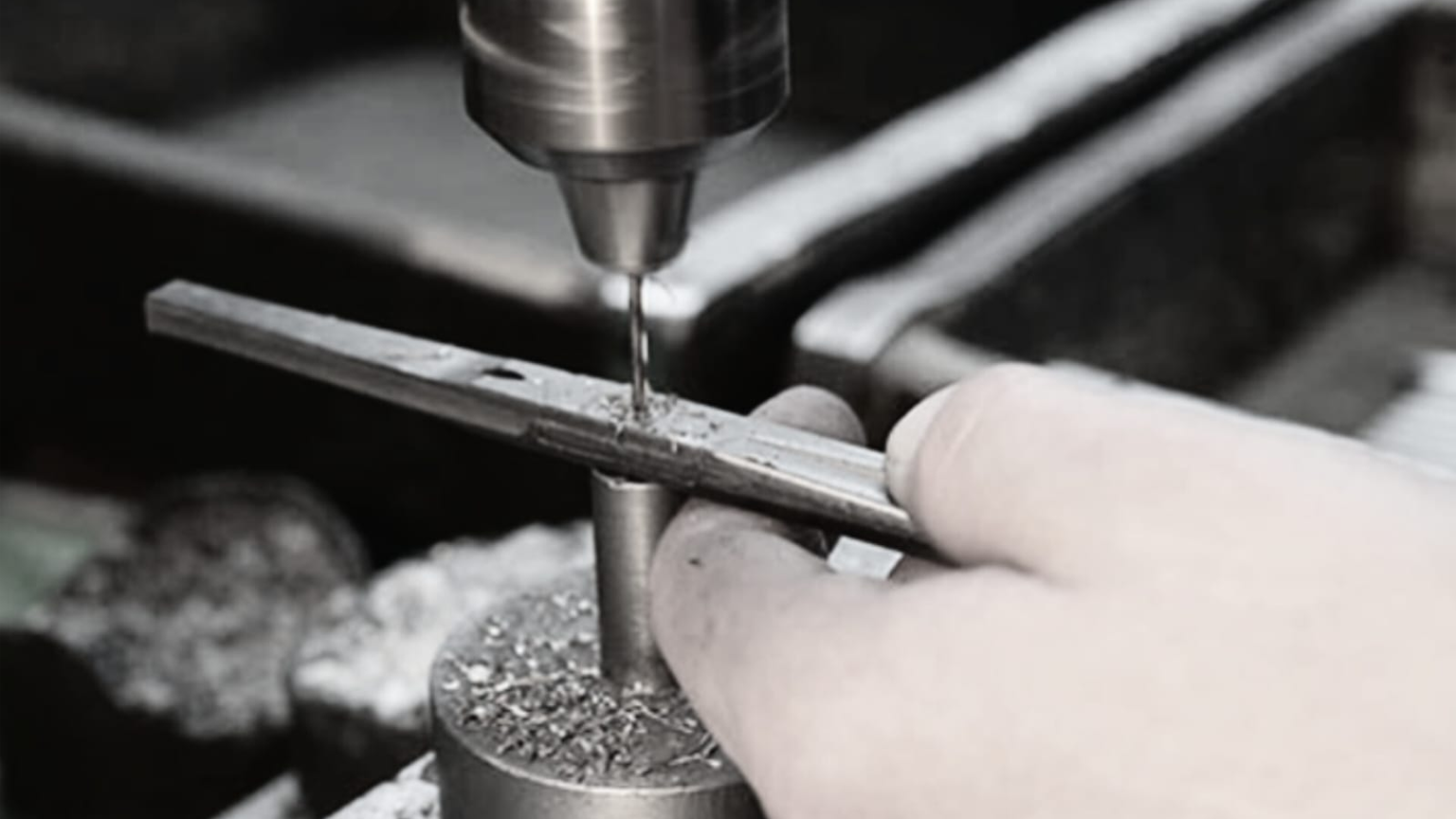
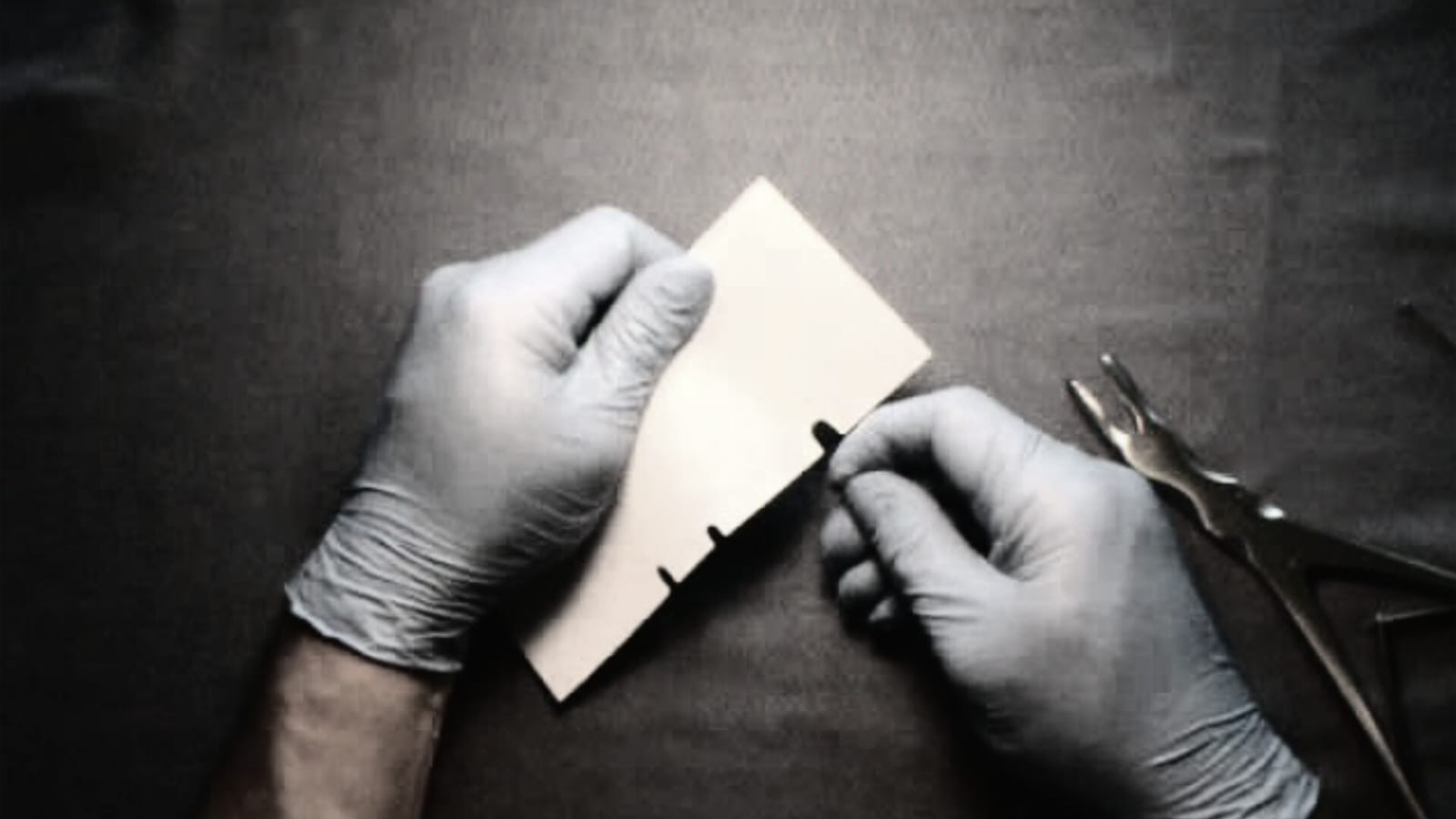
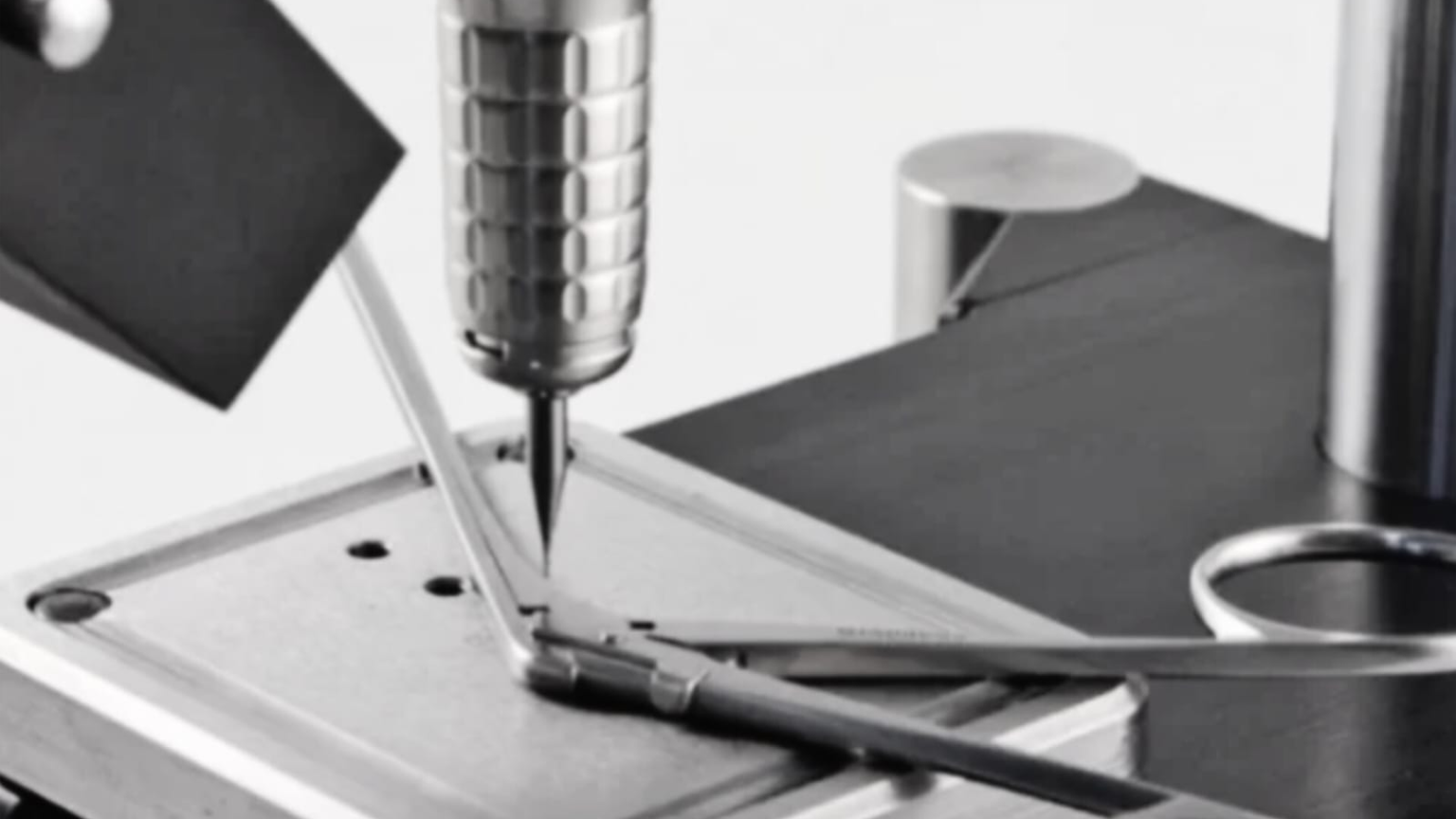
Annealed products are expertly machined to bring designs to life. Using advanced cutters, intricate features like teeth, serrations, ratchets, and box joints are crafted with unmatched precision, setting the stage for flawless finishing.
Grinding Process
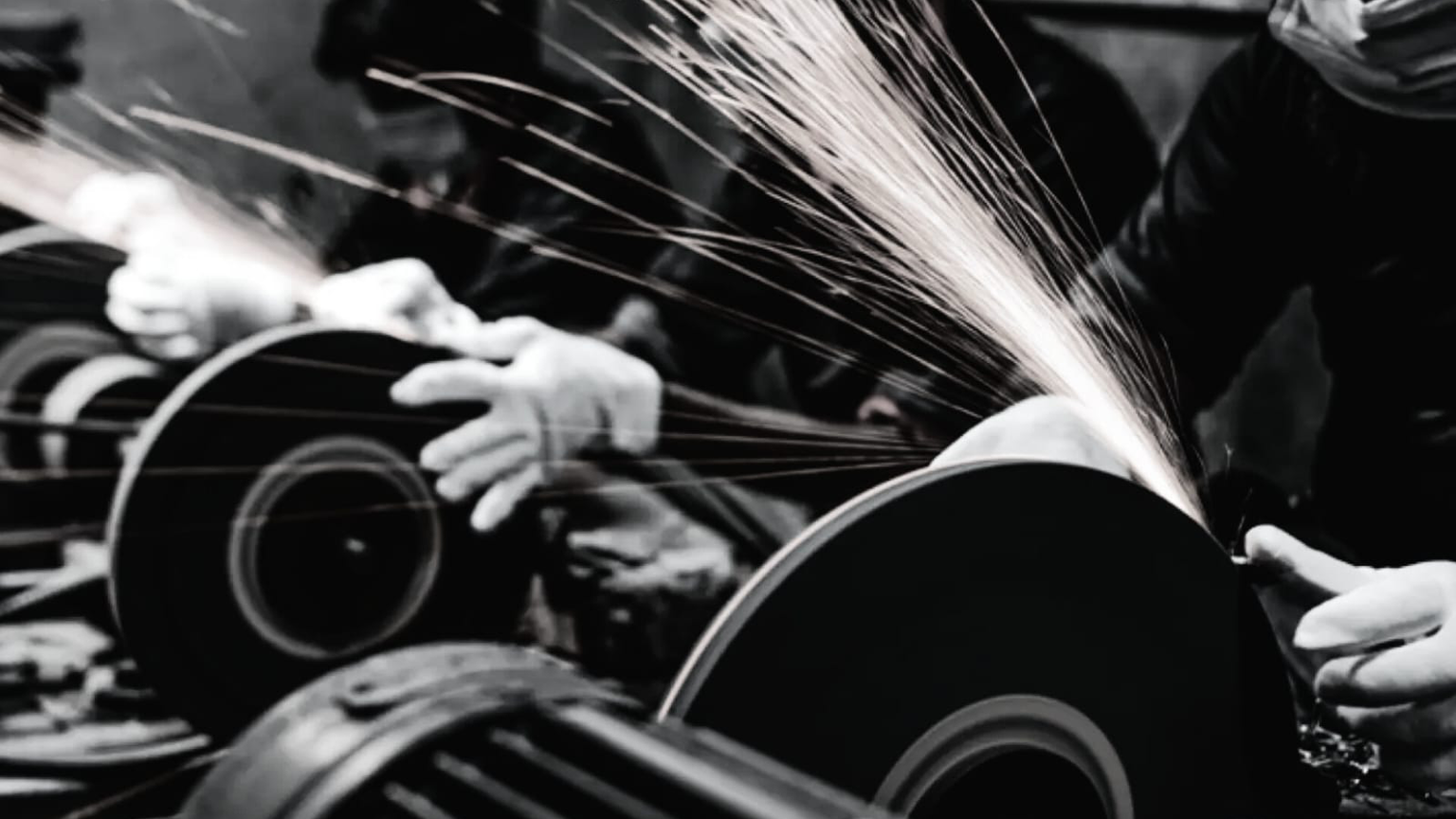
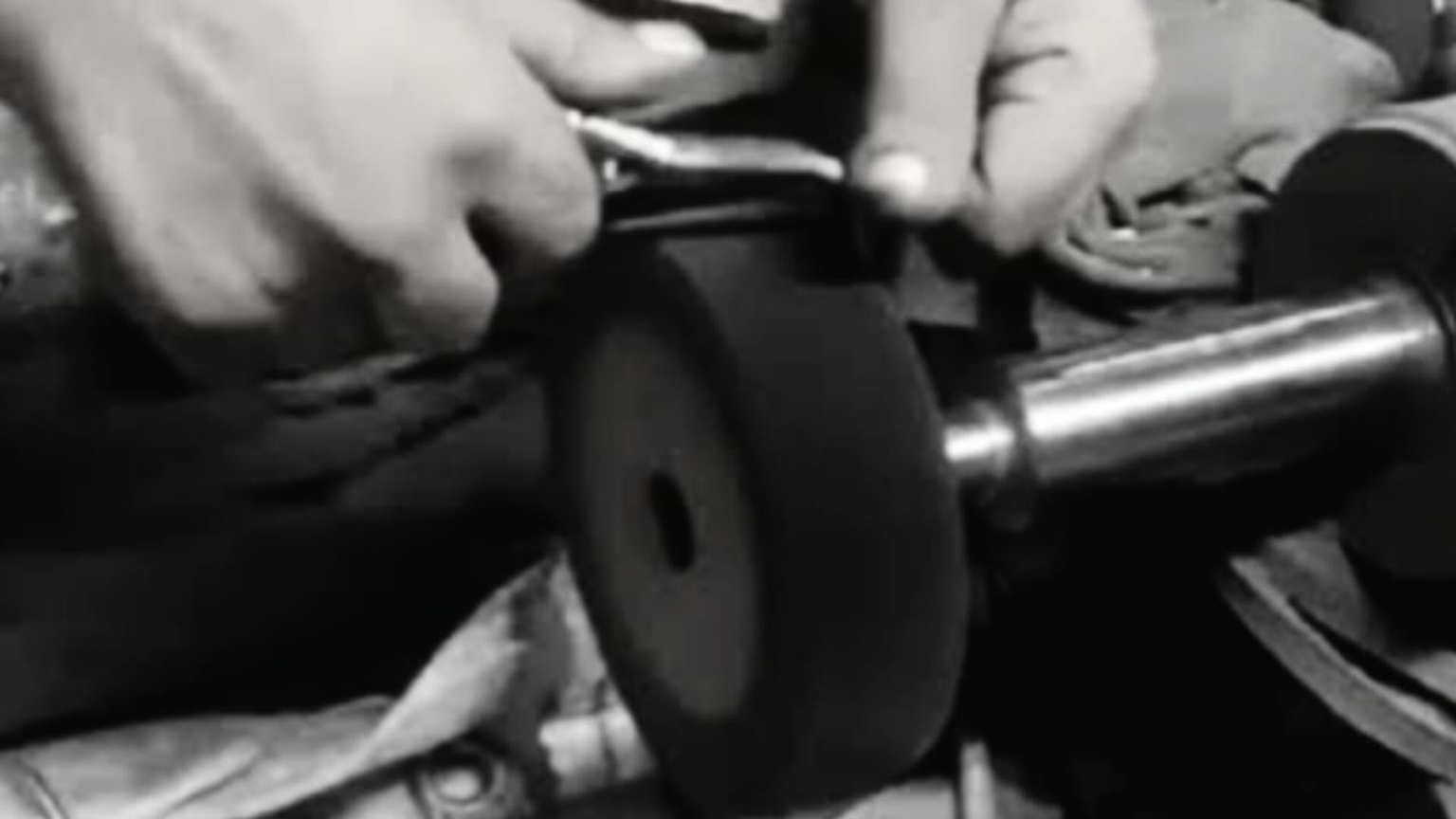
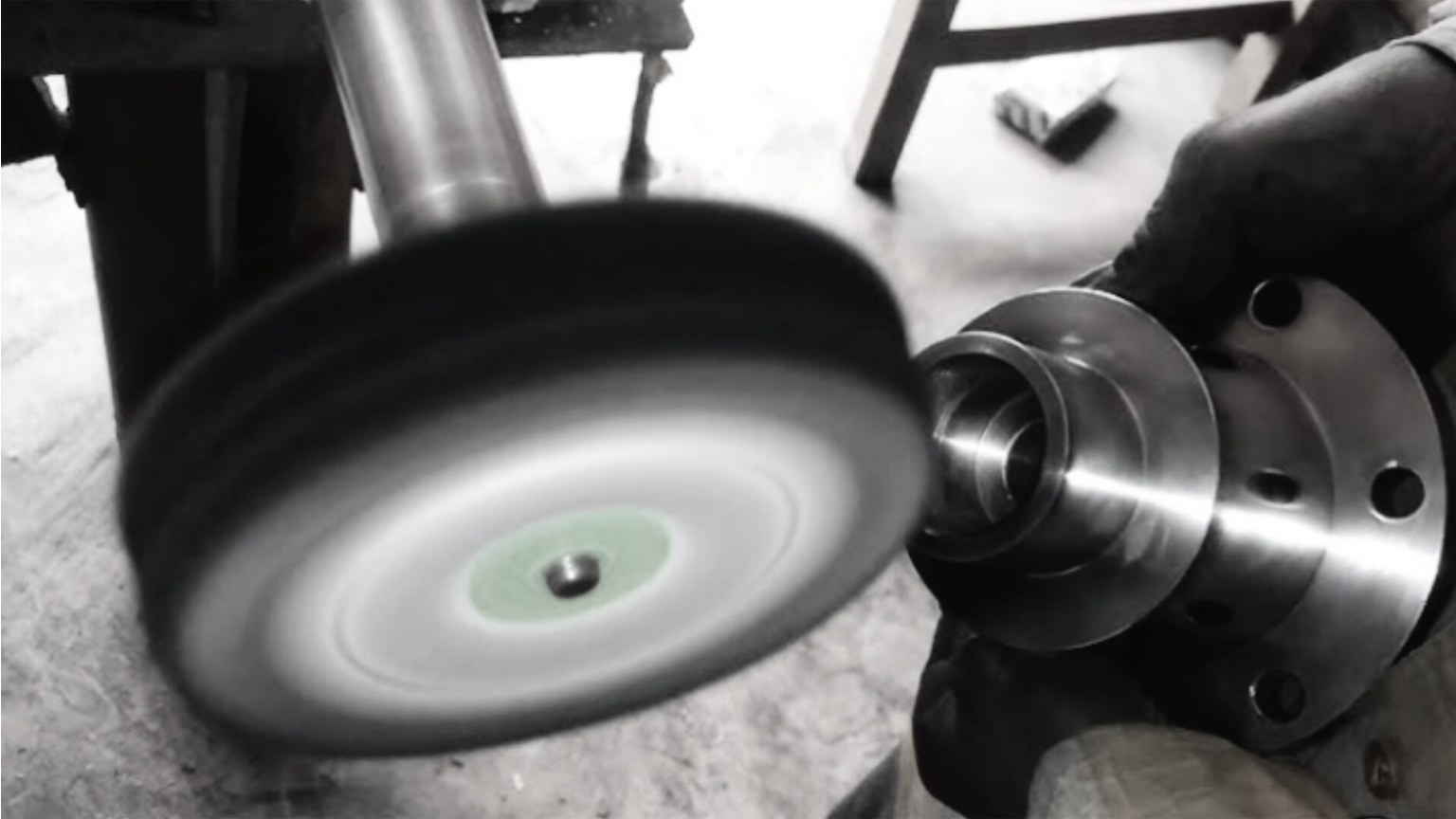
High-speed grinding wheels and belts are used to carefully refine the milled products, removing any excess material and achieving precise sizing according to the required tolerances. This step ensures the instruments meet the highest standards of quality and performance.